

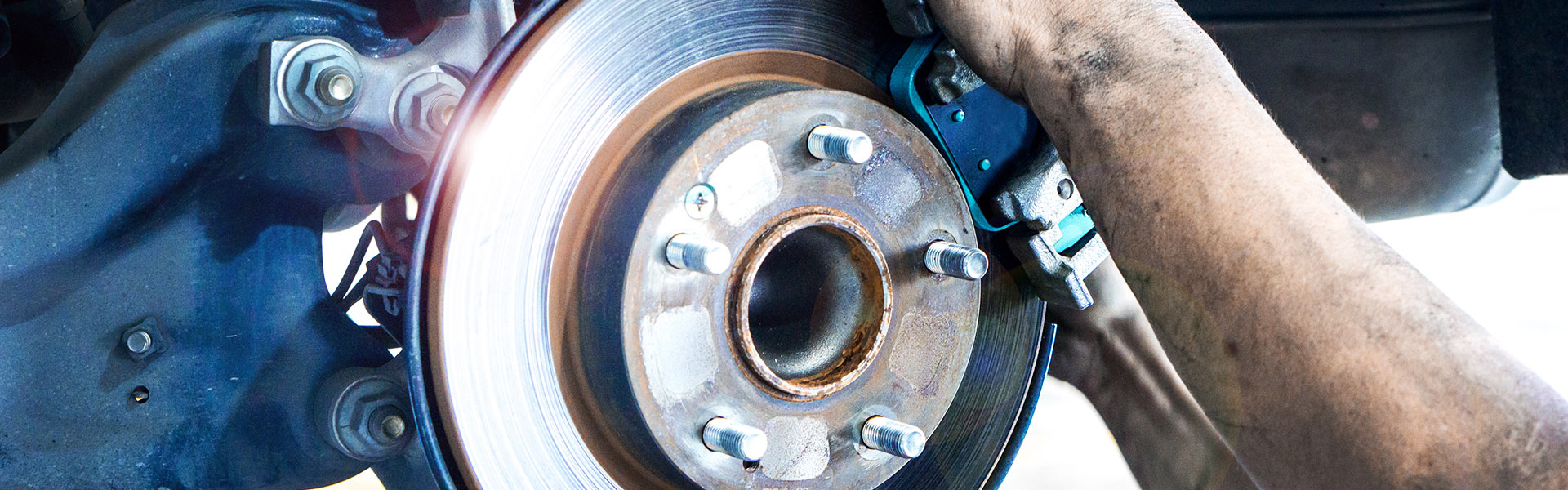
When it comes to keeping your Honda safe on the roads of Bishop, California, Honda brake pad replacement is one of the most important maintenance tasks you can stay on top of. Brake pads are the components that create friction against your rotors to slow and stop your vehicle. Over time, that friction material wears down, and knowing when to replace it can make all the difference for your safety and your vehicle’s long-term performance.
Honda designs its factory brake pads to meet strict standards for durability, heat resistance, and consistent stopping power. They’re engineered specifically for each model, meaning the pads in your Civic behave differently than those in a Pilot or CR-V—and that precision matters.
How Long Do Honda Factory Brake Pads Last?
One of the most common questions Honda owners ask is how long their brake pads are built to last. Honda factory brake pads are designed with longevity in mind, typically lasting between 30,000 and 70,000 miles depending on driving habits, terrain, and load.
If you spend a lot of time in stop-and-go traffic or on hilly terrain in Bishop, California, you may find your pads wear faster than those who primarily drive on open highways. Aggressive braking shortens pad life, while smooth, gradual stops help preserve the friction material over a longer period.
Honda’s factory pads use a friction compound that is calibrated to minimize brake dust while maintaining reliable performance across temperature ranges. That balance of cleanliness, quiet operation, and durability is part of what sets OEM (original equipment manufacturer) pads apart from many aftermarket alternatives.
Signs Your Honda Needs New Brake Pads
Knowing when to schedule Honda brake pad replacement starts with recognizing the warning signs. The most recognizable indicator is the dreaded high-pitched squealing sound when you apply the brakes. That noise is produced by a small metal wear indicator built into the pad, which contacts the rotor when the friction material gets too thin. If you’re dealing with squealing brakes, that sound is your vehicle telling you it is time for service.
Beyond squealing, other signs include a grinding sensation underfoot, longer stopping distances, or a brake pedal that feels softer than usual. A vibrating steering wheel when braking can also signal uneven pad wear or rotor damage. If you notice any of these symptoms, it is best not to delay getting an inspection.
The Importance of Using Honda OEM Brake Pads
When it is time for Honda brake pad replacement, using original equipment manufacturer pads makes a meaningful difference. Honda OEM brake pads are designed to meet the same specifications as the pads that came with your vehicle from the factory. They fit precisely, wear evenly, and work in harmony with your ABS (Anti-lock Brake System).
Aftermarket pads can vary widely in quality. Some may be noisier, wear faster, or generate more heat than Honda-designed components. A certified Honda technician in Bishop can assess whether your current pads—OEM or aftermarket—are the right fit for your vehicle and driving conditions.
Keeping Your Honda Stopping at Its Best
Staying current with Honda brake pad replacement is one of the simplest ways to protect your investment and your passengers. Honda’s factory brake pads are built for durability and precision, but even the best components need attention over time. Whether you have noticed a squeal, a grind, or it’s simply been a while since your last inspection, bringing your vehicle in sooner rather than later is always the right call. Drivers throughout Bishop, CA can count on the service team at Perry Motors Honda to keep their braking system performing the way Honda intended.
Connect with us


- August 2026
- July 2026
- June 2026
- May 2026
- April 2026
- March 2026
- February 2026
- January 2026
- December 2025
- November 2025
- October 2025
- September 2025
- August 2025
- July 2025
- June 2025
- May 2025
- April 2025
- March 2025
- February 2025
- January 2025
- December 2024
- November 2024
- October 2024
- September 2024
- August 2024
- July 2024
- June 2024
- May 2024
- April 2024
- March 2024
- February 2024
- January 2024
- December 2023
- November 2023