
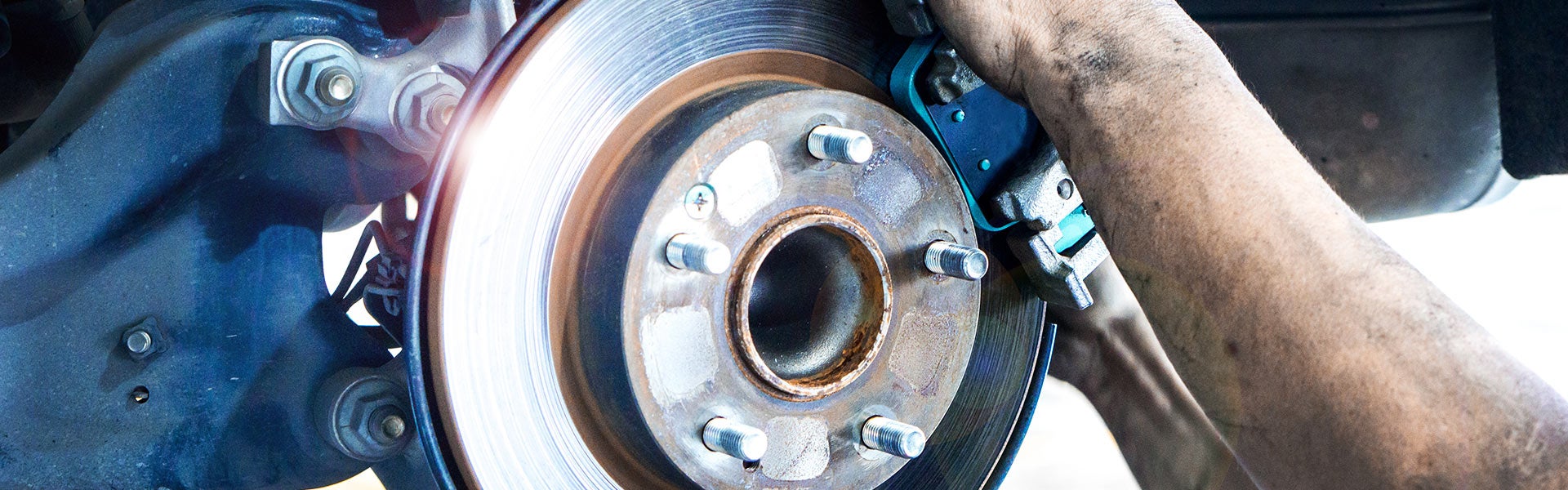
When it comes to keeping your Honda safe on the roads of Bishop, California, Honda brake pad replacement is one of the most important maintenance tasks you can stay on top of. Brake pads are the components that create friction against your rotors to slow and stop your vehicle. Over time, that friction material wears down, and knowing when to replace it can make all the difference for your safety and your vehicle's long-term performance. Honda designs its factory brake pads to meet strict standards for durability, heat resistance, and consistent stopping power. They’re engineered specifically for each model, meaning the pads in your Civic behave differently than those in a Pilot or CR-V—and that precision matters. How Long Do Honda Factory Brake Pads Last? One of the most common questions Honda owners ask is how long their brake pads are built to last. Honda factory brake pads are designed with longevity in mind, typically lasting between 30,000 and 70,000 miles depending on driving habits, terrain, and load. If you spend a lot of time in stop-and-go traffic or on hilly terrain in Bishop, California, you may find your pads wear faster than those who primarily drive on open highways. Aggressive braking shortens pad life, while smooth, gradual stops help preserve the friction material over a longer period. Honda's factory pads use a friction compound that is calibrated to minimize brake dust while maintaining reliable performance across temperature ranges. That balance of cleanliness, quiet operation, and durability is part of what sets OEM (original equipment manufacturer) pads apart from many aftermarket alternatives. Signs Your Honda Needs New Brake Pads Knowing when to schedule Honda brake pad replacement starts with recognizing the warning signs. The most recognizable indicator is the dreaded high-pitched squealing sound when you apply the brakes. That noise is produced by a small metal wear indicator built into the pad, which contacts the rotor when the friction material gets too thin. If you’re dealing with squealing brakes, that sound is your vehicle telling you it is time for service. Beyond squealing, other signs include a grinding sensation underfoot, longer stopping distances, or a brake pedal that feels softer than usual. A vibrating steering wheel when braking can also signal uneven pad wear or rotor damage. If you notice any of these symptoms, it is best not to delay getting an inspection. The Importance of Using Honda OEM Brake Pads When it is time for Honda brake pad replacement, using original equipment manufacturer pads makes a meaningful difference. Honda OEM brake pads are designed to meet the same specifications as the pads that came with your vehicle from the factory. They fit precisely, wear evenly, and work in harmony with your ABS (Anti-lock Brake System). Aftermarket pads can vary widely in quality. Some may be noisier, wear faster, or generate more heat than Honda-designed components. A certified Honda technician in Bishop can assess whether your current pads—OEM or aftermarket—are the right fit for your vehicle and driving conditions. Keeping Your Honda Stopping at Its Best Staying current with Honda brake pad replacement is one of the simplest ways to protect your investment and your passengers. Honda's factory brake pads are built for durability and precision, but even the best components need attention over time. Whether you have noticed a squeal, a grind, or it’s simply been a while since your last inspection, bringing your vehicle in sooner rather than later is always the right call. Drivers throughout Bishop, CA can count on the service team at Perry Motors Honda to keep their braking system performing the way Honda intended.
Honda Brake Pad Replacement: What Every Driver in Bishop, CA Should Know
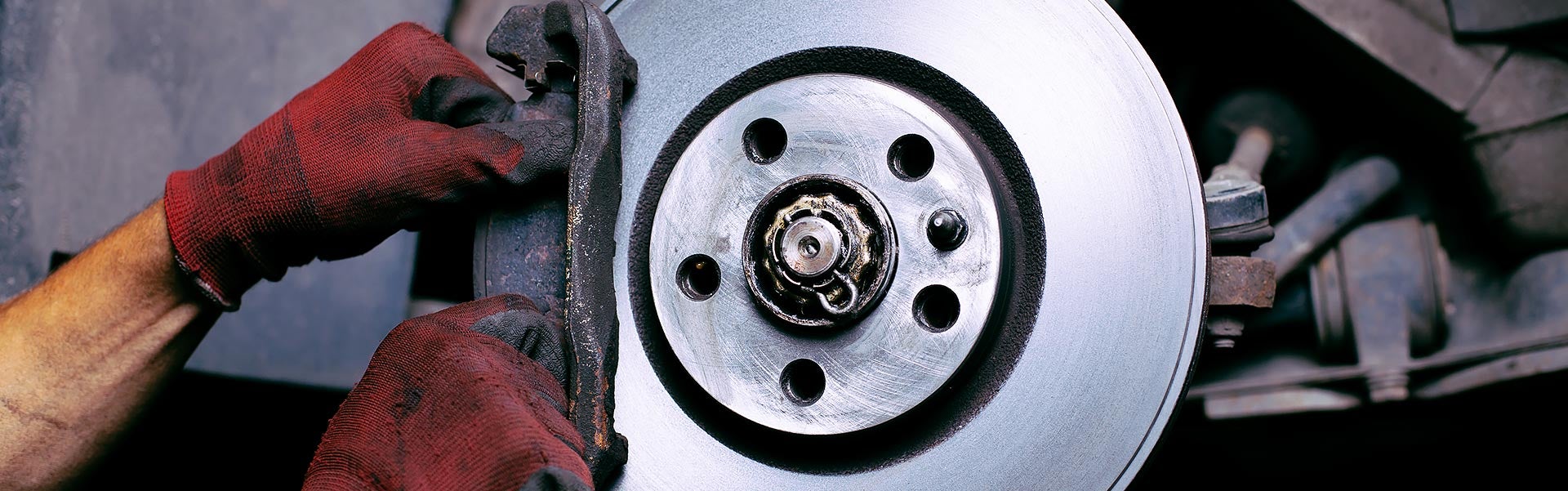
If you've noticed a high-pitched squeal when slowing down on your drives around Bishop, California, your Honda may be telling you it's time for a brake pad replacement. Brake pads are one of the most important safety components on your vehicle, and staying ahead of wear can help you avoid more costly repairs down the road. Understanding how the process works — and what Honda's factory standards require — puts you in a much better position as a vehicle owner. What Are OEM Brake Pad Thickness Standards? Honda brake pad replacement starts with knowing what "worn" actually means. From the factory, Honda installs brake pads with a thickness of approximately 10 to 12 m m, depending on the model and axle position. Most Honda technicians recommend replacing pads when they reach 2 to 3 mm of remaining material. At that point, continuing to drive risks metal-on-metal contact between the pad's backing plate and your rotor. That kind of damage is n’t just unsafe — it can turn a routine pad swap into a much more expensive rotor replacement. Using genuine Honda OEM (original equipment manufacturer) pads ensures the correct friction material, dimensions, and heat tolerance for your specific vehicle. Signs Your Brakes Need Attention One of the most common early warning signals drivers notice is squealing brakes. A small metal indicator tab is built into most brake pads specifically to create that sound when the lining wears thin. When your brakes start s quealing, that’s not something to put off — that noise is a clear signal that your pads are approaching the replacement threshold. Beyond squealing, if you start getting a grinding sensation when braking, a pulsating brake pedal, or a vehicle that pulls to one side when stopping, you’re even more ready to get service. This can signal metal-on-metal friction with the rotor and it compromises handling. If the brake warning light illuminates on the dashboard, it typically indicates crucial service is needed for low brake fluid, worn brake pads, a sensor glitch, but it can be something as simple as the parking brake is engaged. S chedule service as soon as possible. Any of these signs paired with squealing brakes is a strong reason to bring your Honda in for an inspection right away. The Honda Brake Pad Replacement Process A proper Honda brake pad replacement involves more than swapping out the old pads. A qualified technician will inspect the brake calipers, rotors, and brake hardware to confirm everything is within specification. Rotor thickness and surface condition are checked, brake fluid is assessed, and caliper slide pins are cleaned and lubricated. OEM pads are then installed and the brakes are bed-in using a controlled break-in procedure that seats the new pads evenly against the rotors. This step is important for consistent stopping power and helps maximize the life of your new pads. Skipping it can lead to uneven wear and reduced performance. How Often Should You Replace Brake Pads on a Honda? Brake pad life varies based on driving habits, terrain, and vehicle use. In general, most Honda owners replace front brake pads every 30,000 to 70,000 miles, with rear pads often lasting longer. Drivers who frequently travel mountain roads or tow trailers may find they need service more often. In Bishop, California, the winding terrain and elevation changes can place additional demands on your braking system. More frequent inspections are a smart habit for local drivers who navigate mountainous routes regularly. Checking brake pad thickness at every oil change is a simple way to stay ahead of wear. Schedule Your Honda Brake Service Today If you're hearing squealing brakes or it's simply been a while since your last brake inspection, Honda brake pad replacement is a straightforward service that provides real peace of mind. Genuine OEM pads, a thorough system inspection, and proper break-in procedures all contribute to safer, more confident stopping. Visit Perry Motors Honda to schedule your appointment with Perry Motors Honda in Bishop, California. We can keep your Honda stopping the way it was designed to.