
Blog / Bishop Honda Service

Blog

All Bishop Honda Service Bishop Honda Dealer Bishop New Cars Perry Honda Service Car Tips Honda CR-V Honda Repair Honda Ridgeline Honda Accord Hybrid Honda Civic Honda CR-V Hybrid Honda Pilot 2026 Honda Prologue 2026 Honda Ridgeline Finance Perry Motors Honda Tires
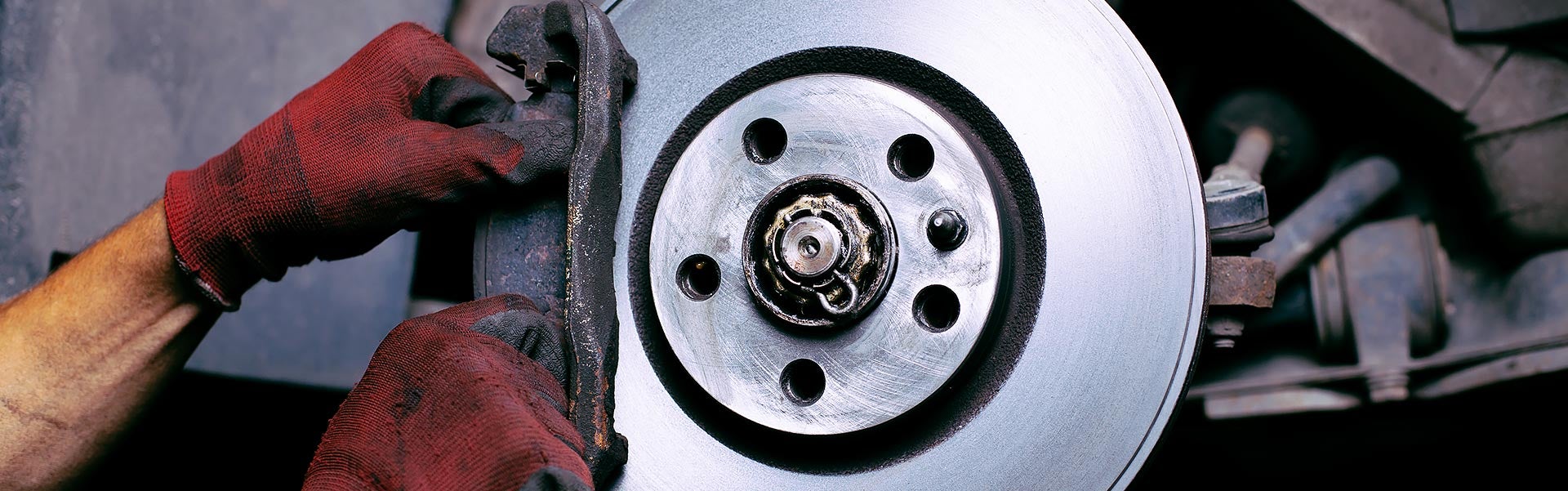
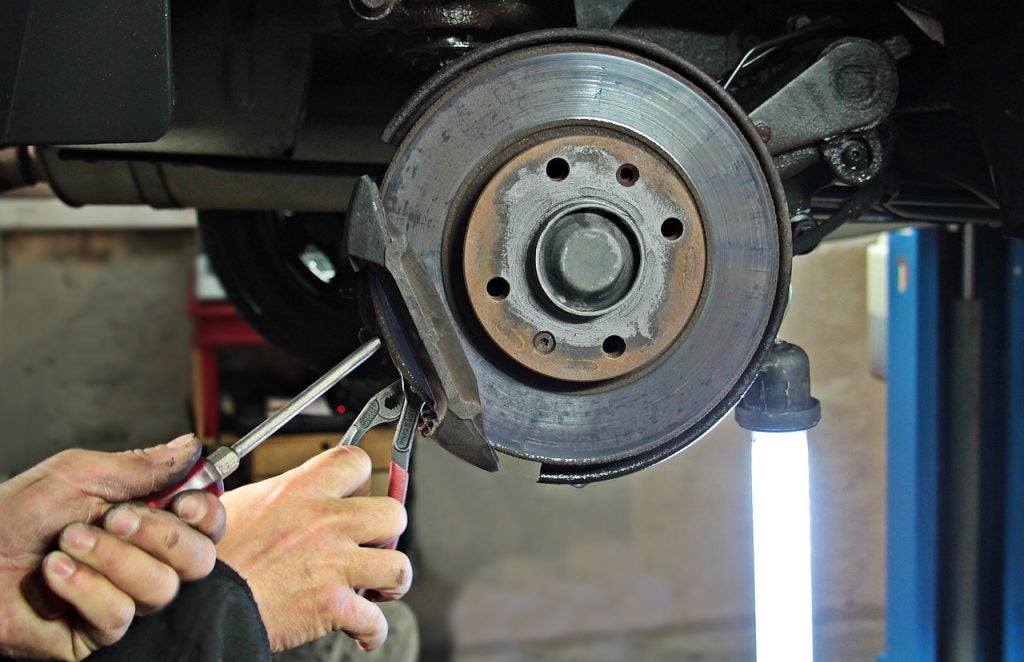
A mechanic installing new brake pads on a vehicle's disc brake rotor assembly.

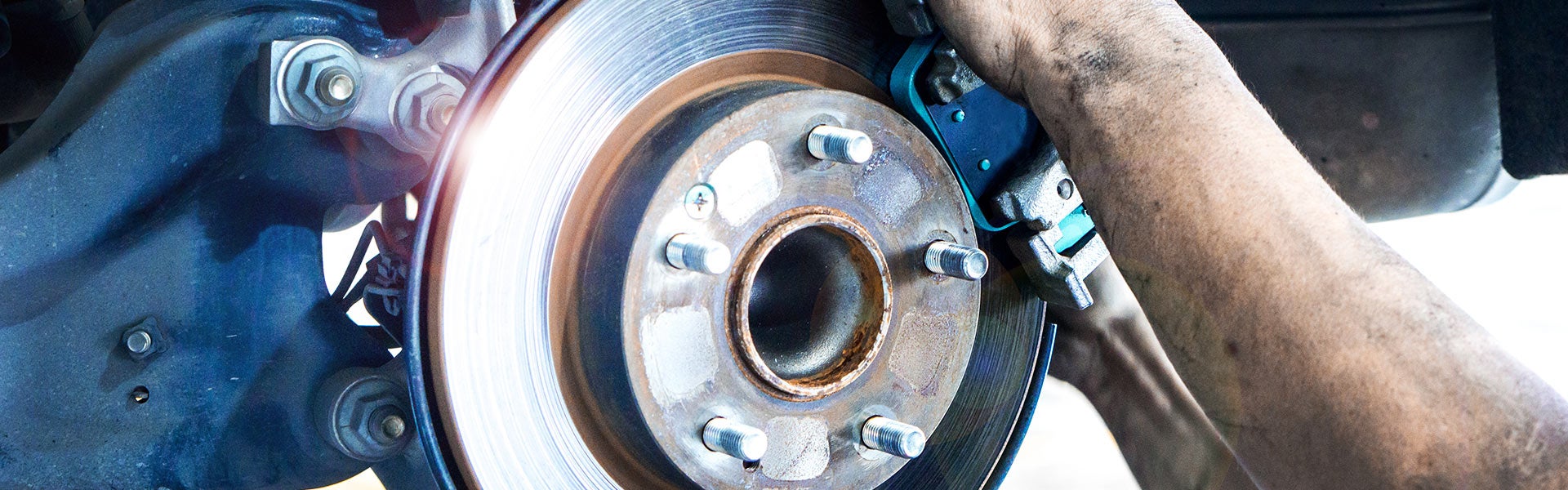
What to Know About Honda Brake Pad Replacement

When it comes to keeping your Honda safe on the roads of Bishop, California, Honda brake pad replacement is one of the most important maintenance tasks you can stay on top of. Brake pads are the components that create friction against your rotors to slow and stop your vehicle. Over time, that friction material wears down, and knowing when to replace it can make all the difference for your safety and your vehicle's long-term performance. Honda designs its factory brake pads to meet strict standards for durability, heat resistance, and consistent stopping power. They’re engineered specifically for each model, meaning the pads in your Civic behave differently than those in a Pilot or CR-V—and that precision matters. more How Long Do Honda Factory Brake Pads Last? One of the most common questions Honda owners ask is how long their brake pads are built to last. Honda factory brake pads are designed with longevity in mind, typically lasting between 30,000 and 70,000 miles depending on driving habits, terrain, and load. If you spend a lot of time in stop-and-go traffic or on hilly terrain in Bishop, California, you may find your pads wear faster than those who primarily drive on open highways. Aggressive braking shortens pad life, while smooth, gradual stops help preserve the friction material over a longer period. Honda's factory pads use a friction compound that is calibrated to minimize brake dust while maintaining reliable performance across temperature ranges. That balance of cleanliness, quiet operation, and durability is part of what sets OEM (original equipment manufacturer) pads apart from many aftermarket alternatives. Signs Your Honda Needs New Brake Pads Knowing when to schedule Honda brake pad replacement starts with recognizing the warning signs. The most recognizable indicator is the dreaded high-pitched squealing sound when you apply the brakes. That noise is produced by a small metal wear indicator built into the pad, which contacts the rotor when the friction material gets too thin. If you’re dealing with squealing brakes, that sound is your vehicle telling you it is time for service. Beyond squealing, other signs include a grinding sensation underfoot, longer stopping distances, or a brake pedal that feels softer than usual. A vibrating steering wheel when braking can also signal uneven pad wear or rotor damage. If you notice any of these symptoms, it is best not to delay getting an inspection. The Importance of Using Honda OEM Brake Pads When it is time for Honda brake pad replacement, using original equipment manufacturer pads makes a meaningful difference. Honda OEM brake pads are designed to meet the same specifications as the pads that came with your vehicle from the factory. They fit precisely, wear evenly, and work in harmony with your ABS (Anti-lock Brake System). Aftermarket pads can vary widely in quality. Some may be noisier, wear faster, or generate more heat than Honda-designed components. A certified Honda technician in Bishop can assess whether your current pads—OEM or aftermarket—are the right fit for your vehicle and driving conditions. Keeping Your Honda Stopping at Its Best Staying current with Honda brake pad replacement is one of the simplest ways to protect your investment and your passengers. Honda's factory brake pads are built for durability and precision, but even the best components need attention over time. Whether you have noticed a squeal, a grind, or it’s simply been a while since your last inspection, bringing your vehicle in sooner rather than later is always the right call. Drivers throughout Bishop, CA can count on the service team at Perry Motors Honda to keep their braking system performing the way Honda intended.

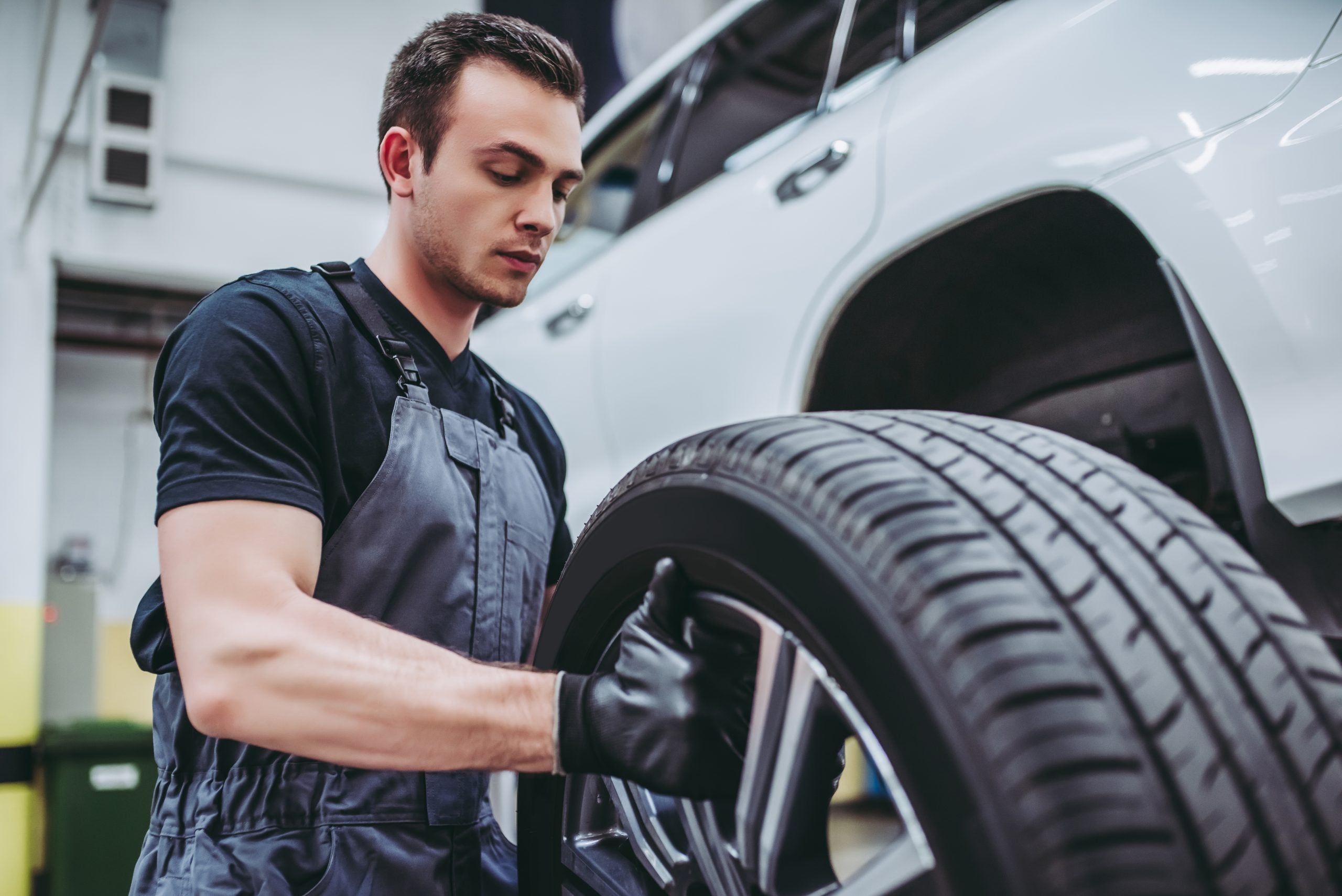
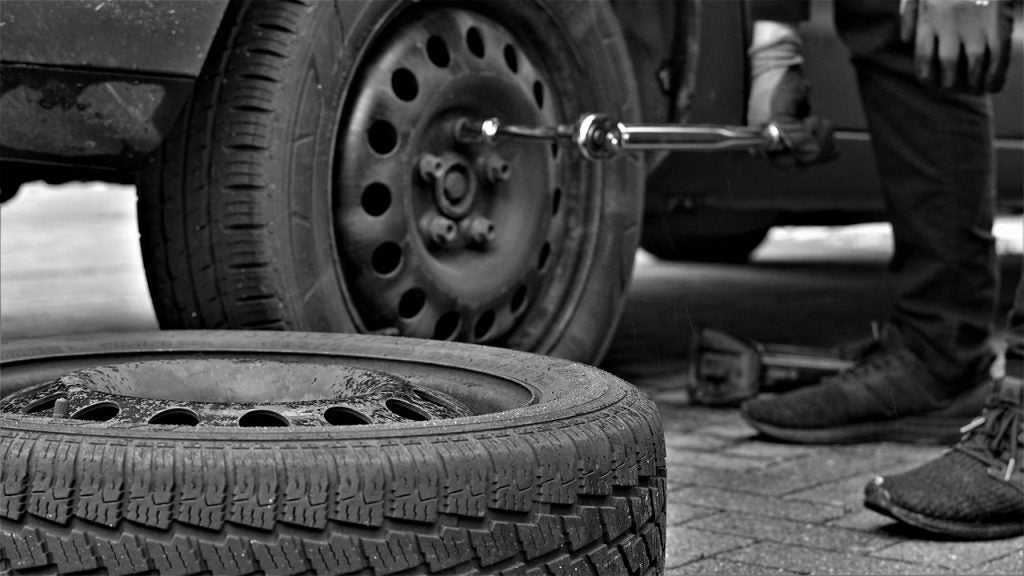
A mechanic is replacing a tire on a vehicle in an auto repair shop. The mechanic is wearing a black shirt, grey overalls, and black gloves while carefully handling the tire. The vehicle in the background is raised, and the workshop is well-lit.

Service Maintenance Tips for Honda Owners in Bishop, CA

Absolute vehicle maintenance is the vital lifeblood that keeps your Honda performing at a legendary level. Driving through the majestic landscapes of Bishop, CA, or tackling your daily commute requires a machine that delivers 100% reliability. You can find this elite level of care at Perry Motors Honda in Bishop, CA, where we prioritize the life of your car. Routine tasks like oil changes and tire rotations act as a shield, protecting you from the massive costs of unexpected mechanical failures. Why Service Maintenance Matters for Your Honda Maintaining your vehicle is the most important step in protecting your investment. Regular upkeep ensures that every component works in perfect harmony, which prevents minor issues from turning into expensive disasters. By visiting Perry Motors Honda, you give your car the professional attention it deserves. Essential Service Maintenance Tasks Routine Oil Changes The engine is the beating heart of your vehicle. Fresh oil coats every internal component of your 1.5 L or 2.0 L engine, stopping friction from causing total destruction. Over time, oil breaks down and loses its ability to protect. You must schedule your oil change at Perry Motors Honda to ensure your engine runs with unyielding power and 1st class efficiency. Tire Care and Alignment Your tires represent the only contact point between your Honda and the road. This makes maintenance a high-stakes priority for every driver. Regular rotations and 4-wheel alignments extend the life of your 16", 18", or 19" wheels while maximizing your fuel economy. Driving in Bishop, CA, presents unique challenges, so you need tires that provide absolute grip and stability. Brake Inspections Stopping power is a mandatory requirement for safety. We conduct intense brake inspections to confirm that your pads, rotors, and fluid are in perfect condition. If you hear a high-pitched squeak or feel a loss in stopping force, your safety is at risk. Visit Perry Motors Honda for a deep evaluation of your braking system to keep your journey secure. Top Services to Help Maintain Your Specific Honda Perry Motors Honda offers a massive list of professional services to protect your investment. Our expert technicians use 100% genuine parts for every task, from battery tests to transmission flushes. We service every model with 100% accuracy, including the 2025 Honda Civic and the 2025 Honda CR-V. 2025 Model Trim Level MSRP Engine / Power Tire Size Civic LX $24,250 2.0 L / 150 hp 16" Civic Sport Touring Hybrid $31,750 2.0 L / 200 hp 18" CR-V LX $30,100 1.5 L / 190 hp 17" CR-V Sport Touring Hybrid $40,800 2.0 L / 204 hp 19" These vehicles offer 7" or 9" touchscreens featuring Apple CarPlay® and Android Auto® technology. While the 2025 Civic Sport Touring Hybrid delivers a powerful 232 lb-ft of torque, the CR-V Sport Touring Hybrid produces 247 lb-ft of torque for maximum acceleration. Secure Your Elite Honda Service Appointment Now You deserve a vehicle that operates at its absolute peak. Visit Perry Motors Honda in Bishop, CA, for professional service maintenance that is specifically designed for your model. Our team provides the high-level care that keeps your Honda reliable for 100,000 miles and beyond. Schedule your appointment today at Perry Motors Honda to experience 1st class automotive care. Conclusion Consistent maintenance is the only way to preserve the performance and safety of your Honda. By staying proactive with your oil changes, tire care, and brake inspections, you guarantee a superior driving experience in Bishop, CA. Trust the professionals at Perry Motors Honda in Bishop, CA, for all your maintenance needs. We are the premier destination for the top services required to keep your vehicle in winning condition.

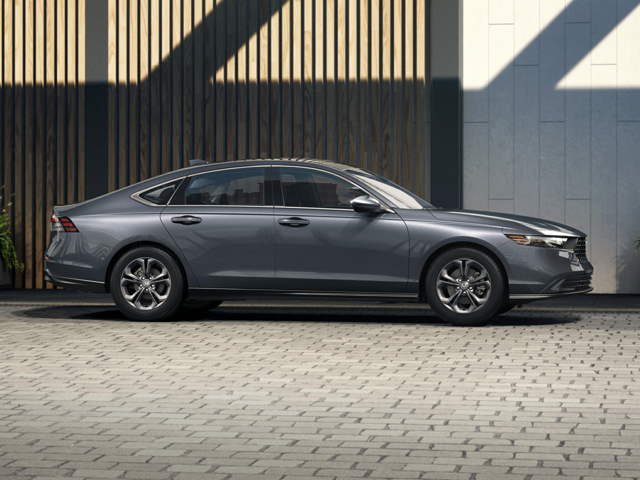
A silver sedan side view parked next to a building

Why Regular Oil Changes Are Crucial for Your Honda's Longevity

Your engine is the heart of your vehicle, and it needs to be protected to ensure your vehicle remains running reliably. Follow Honda oil change protocols to protect your engine. If you're unsure of how you should care for your motor by keeping your engine oil and oil filter clean, read on to discover everything you need to know about why and how often you should visit your Honda dealer for preventative engine maintenance. more Routine oil replacements help ensure engine oil leaks are detected and corrected quickly. If an engine oil leak is neglected for too long, your motor could overheat. Routine oil replacements also help ensure that clean oil circulates throughout your powertrain. Dirty engine oil is ineffective and can lead to unnecessary wear and tear, requiring more frequent repair work. Routine oil replacement is also vital for ​your vehicle's longevity because it helps ​prevent the formation of rust inside your engine. Also, ​clean engine oil traps contaminants that could otherwise damage your engine. How Often You Should Visit Your Honda Dealer for an Engine Oil Replacement You should bring your Honda in for an oil replacement when you see the maintenance message on your dashboard if you want to help ensure your motor lasts as long as possible. If you don't drive a lot, come in for an oil replacement at least annually. Even when engine oil doesn't circulate a lot, it breaks down over time. Note that you should schedule an oil replacement if you notice certain warning signs from your vehicle. It's advisable to check your engine oil monthly to ensure it's still in good condition. If your engine oil level is low or your oil is dirty or discolored, schedule an oil replacement right away. What You Need to Know About Severe Driving Conditions You should know that you will probably need more frequent oil replacements if you put your motor under severe strain regularly. For example, if you use your Honda to tow anything or haul anything on the roof regularly, your engine is put under a lot of strain. Additionally, driving long distances in hot temperatures at highway speeds causes rapid engine oil degradation. You also could benefit from more frequent oil replacements if you often drive over dusty, muddy, gravel, or salted roads regularly. ​Another common example of severe driving conditions is driving for long distances at speeds that don't exceed 50 miles per hour. Clean engine oil keeps your engine's moving parts lubricated, helping to prevent overheating. Friction is also reduced, minimizing wear and tear. If it's been a while since your last oil filter change, contact us today at Perry Honda in Bishop, CA to schedule a service appointment. Image via Honda

A red Honda vehicle on a rainy day parked outside

The Importance of Wheel Alignment in Hondas: Symptoms and Solutions

As you drive, continual knocks against curbs and over rough patches of the road can gradually push your wheels out of alignment. Wheel misalignment leads to more than just a bumpier ride; it also harms your handling, tire lifespan, road safety, and gas mileage. Here's an overview of the key symptoms of this problem and how the technicians at your local Honda dealership can resolve the issue with prompt wheel alignment. more Keep Your Steering Straight The most worrisome result of misaligned wheels is how it disrupts your steering and handling. If your steering wheel has become permanently tilted to one side or your car tends to veer away from a straight line, then your wheels are likely misaligned. Any such reduction in steering precision is dangerous and should be resolved as soon as possible. Enjoy a Smoother Ride When your wheels have mismatched alignment, your ride will get rough, and you may feel increased vibrations, especially when driving at higher speeds. Overall road noise might also become louder, not only from vibrations but also from the tires squealing when you navigate corners. Promote Better Tire Longevity When forced to grip the road at odd angles, tires tend to wear down unnaturally. If you notice that your tires are unevenly worn, misaligned wheels might be to blame. The awkward pressure that misalignment places on tires also makes them more susceptible to damage and skids. Enhance Fuel Efficiency The additional friction generated by misalignment creates drag that slows your car. This means you'll be using more gas than usual and may notice an increase in your monthly fuel expenses. Protect Connected Components As your car is designed to have all components in perfect alignment, when the wheels begin to twist out of shape, excess strain is put on connected car parts as well. As a result, the axles, brakes, suspension, differentials, and steering system may develop faults of their own. Realigning your wheels reduces this pressure, saving you from additional repair expenses. Schedule Routine Alignment at Your Honda Dealership Wheels should be realigned at least once a year; many drivers have their wheels aligned each time they have their tires rotated, which is usually twice a year. It's considered wise to schedule routine alignment rather than wait for the aforementioned problems to develop. That way, you can rest assured that your vehicle's steering, handling, traction, fuel efficiency, and road safety are kept in tip-top condition at all times. Visit Perry Motors Honda in Bishop, CA, today to have your wheels realigned by courteous, qualified technicians. We're a locally owned and operated, third-generation dealership that's been helping out the region's drivers for over 75 years. Image via Honda

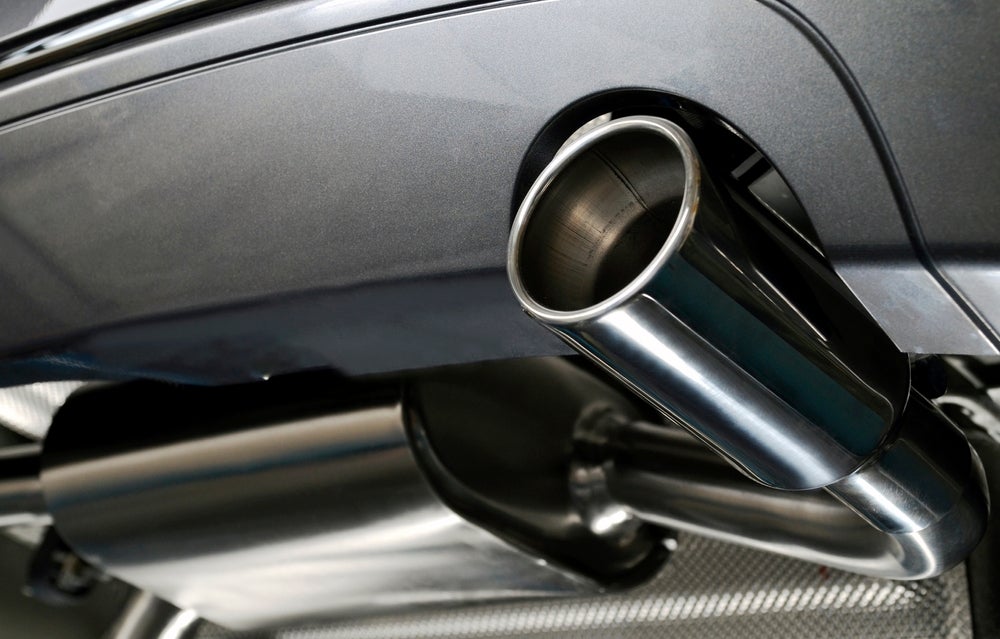
A muffler which is attached to the exhaust system in a Honda vehicle near Bishop, CA

Honda Exhaust System Care: Ensuring Efficiency and Performance

Despite its crucial role in maintaining performance and efficiency, few drivers consider their Honda exhaust beyond admiring snazzy-looking tailpipes. As a leading Honda dealership, here's our guide to understanding and caring for your car's exhaust system so both you and your Honda can breathe easy. Where Does Exhaust Come From? Your Honda's engine combines air and gasoline to create an explosion (known as combustion) and uses the energy from that explosion to drive the piston, transmission, and your car. The byproduct of that process is exhaust: a mixture of hot air and harmful combustion byproducts. Your car must successfully treat and vent this exhaust to help the system run smoothly and efficiently, and to meet environmental standards. more What Does the Exhaust System Consist Of, and How Does It Work? First, the exhaust exits the engine and enters the exhaust manifold, which collects it and passes it to the catalytic converter, which helps convert harmful pollutants into less harmful emissions. The exhaust is then transmitted to the muffler, which reduces noise, and is finally vented out of the tailpipe. How Does the Exhaust System Impact Engine Performance? Maintaining the correct amount of flow through, and back pressure from, the exhaust system ensures your engine can bring in the correct amount of air to optimally perform combustion. Change either flow or back pressure too much (through leaks or obstructions) and performance, fuel efficiency, and emissions can all suffer. What Can Go Wrong with My Exhaust System? Your exhaust system is resilient, but vulnerable. Located on the bottom of the car to protect occupants from hot exhaust, it's exposed to mud and water (plus road salt in winter). Rust can damage the system. A leak can also develop, which may vent exhaust before it passes through critical components of the system and can also decrease engine performance. Catalytic converters can also become blocked or clogged, which also reduces performance. When Should I Schedule Exhaust Service? Your Honda's owner's manual will recommend mileage intervals for exhaust checks, and California law requires routine smog checks for vehicles more than 8 model-years old (which acts as a check on your exhaust system), but your Honda may need service sooner if an issue develops. If your engine suddenly becomes louder, performance decreases, fuel efficiency drops, you experience a burning or rotten-eggs smell, you start feeling vibrations, or your exhaust begins to smoke, schedule service immediately. Your Honda's exhaust system is a crucial part of your vehicle's health and performance. Trust it to the pros. Schedule your next exhaust service today at Perry Honda in Bishop, CA, and let our Honda experts care for your car so it can keep caring for you.

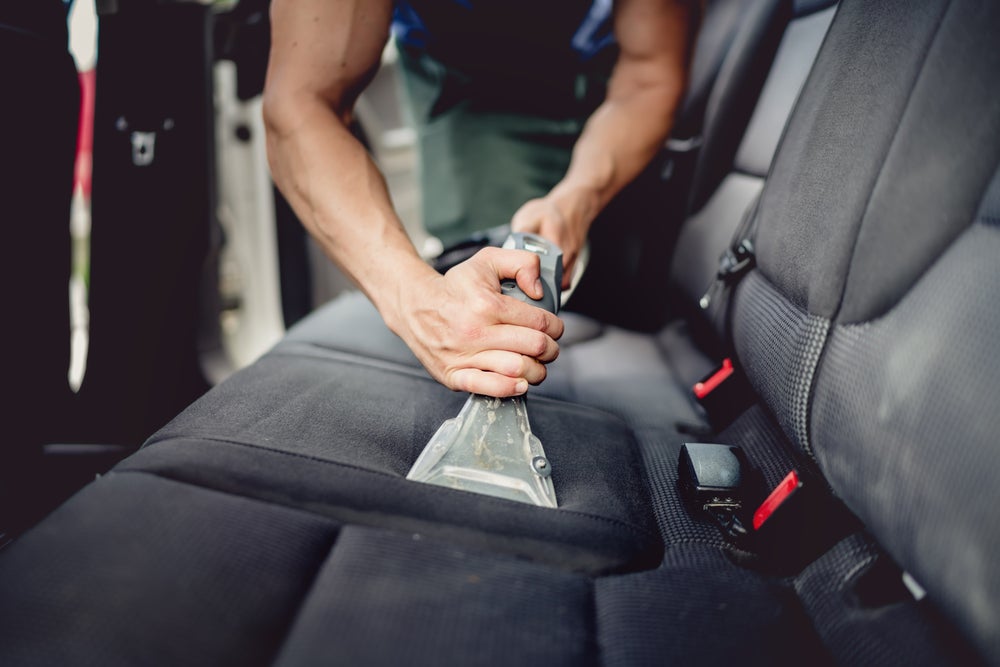
Dirty Honda seats being vaccumed near Bishop, CA

Honda Detailing 101: How to Keep Your Car Looking Showroom Fresh

Want to keep your car looking like you just drove off the lot at the Honda dealership? This guide lists effortless steps you can take to get your car showroom clean. Clean the Interior First For optimal cleanliness and a fresh interior, start by cleaning the inside of your car first. This approach prevents dust and debris from the exterior from being transferred to the freshly cleaned interior surfaces. By beginning with vacuuming, dusting, and spot-cleaning upholstery as needed, you ensure a thorough and methodical cleaning process that sets the stage for a well-maintained vehicle, aligning with professional dealership standards for interior care. more Clean the Seat Belts Cleaning your seatbelts helps maintain their effectiveness and safety by removing dirt, grime, and contaminants that could compromise their functionality in an emergency. Loosen dirt on seat belts with a soft brush. Then, wipe them with a damp cloth dipped in the cleaning solution. Wipe belts again with a dry cloth, then let them air dry. Clean the Floor Mats Remove the mats and shake off loose dirt and debris. Vacuum mats to remove any remaining dirt. Wipe rubber mats with your cleaning cloth. Use a clean, dry cloth to remove excess moisture, and allow mats to air dry. Once they are dry, attach the mats to the floor hooks to keep them in place. Vacuum the Seats Vacuuming the seats removes dirt, debris, and allergens, ensuring a clean and comfortable interior environment for passengers. Use a vacuum to remove dirt and debris from the seats. Also vacuum under the seats, paying particular attention to the areas between the seats and doors and the console. Clean the Exterior Last To achieve a showroom-worthy exterior shine, always clean the exterior of your car last. This ensures that any dirt or debris from the interior or wheels doesn't accidentally scratch or mar the freshly cleaned paint. It's a simple step that can make a big difference in maintaining your car's pristine appearance, reflecting the care and attention to detail typically seen in dealership standards. Wash the Car Avoid dirt buildup by washing your car regularly. Wash off road salt, insects, and bird droppings as soon as you can. When using an automated car wash, remember to fold in your side mirrors. When using a high-pressure sprayer, stand back when spraying to protect yourself and your vehicle. Apply Car Wax To apply car wax effectively, start with a thoroughly cleaned and dry car. Choose a high-quality car wax suitable for your vehicle's paint type. Using a foam applicator or cloth, apply wax in small, circular motions, working one section at a time. Allow the wax to haze over, indicating it's ready to be buffed. Use a clean microfiber towel to buff the wax off, revealing a glossy finish that protects the paint from environmental elements and enhances its shine. Regular waxing maintains your car's appearance and protects its paint over time. Clean the Windows For sparkling clean windows, start by spraying glass cleaner directly onto the window surface. Use a lint-free microfiber cloth to wipe the cleaner in a circular motion, ensuring thorough coverage. Pay special attention to corners and edges to remove any streaks or smudges. For stubborn spots, reapply cleaner and gently buff with a clean portion of the cloth until the window is clear and streak-free. This method ensures your car windows maintain a pristine shine without residue. Clean Aluminum Wheels To effectively clean aluminum wheels, begin by rinsing them thoroughly to remove loose dirt and brake dust. Use a sponge or soft brush along with a mild detergent to scrub the wheels, ensuring to reach into spokes and around the rims. Rinse the wheels again with clean water and dry them thoroughly using a microfiber towel to prevent water stains and maintain their shine. This method helps keep your aluminum wheels looking clean and free of residue. Now you know how we keep our cars showroom clean. Stop by Perry Motors Honda in Bishop, CA, today and have a look around. While you're here, take a test drive and ask questions. We're happy to help.

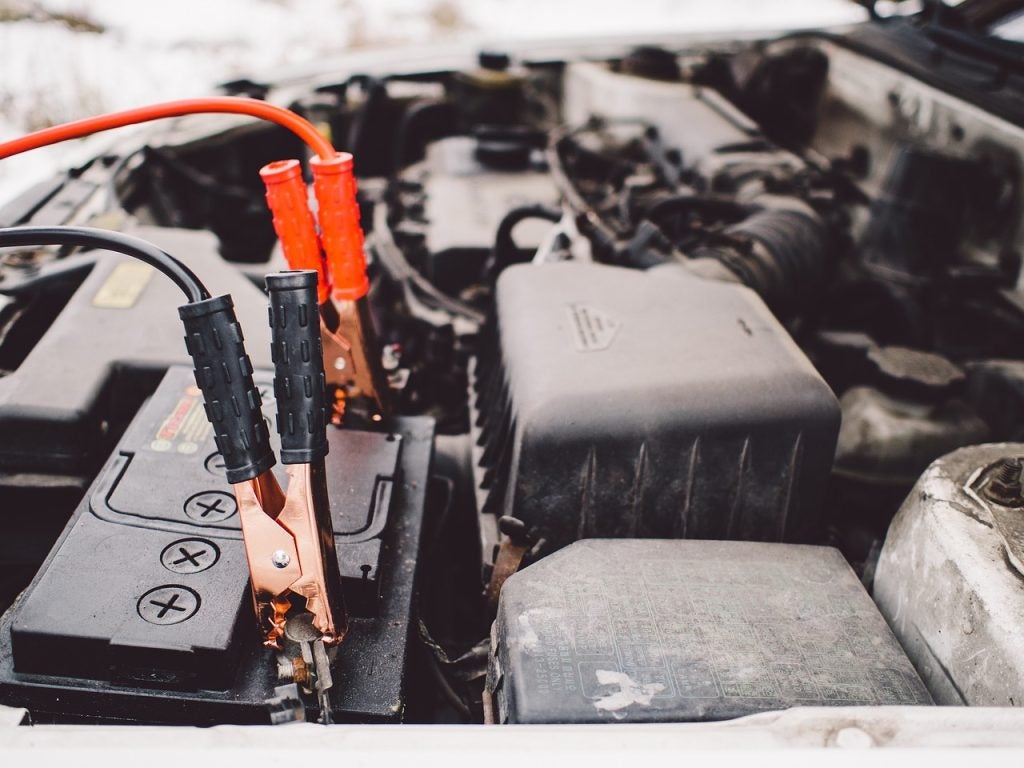
Jumper cables that can be used near Bishop, CA

Practical Insights: How to Jump Start Your Honda and Other Emergency Tips

Sometimes, a dead battery is completely drained, but very often, if you give it some power, you can get the engine started. This might not be a permanent solution, but it will get the car moving again. As your Honda dealer, we'd like to tell you how to jump-start a car in several easy steps. For this example, your Honda will recharge another vehicle with a dead battery. Where's the Battery? While this might sound strange, some vehicles have their battery in the trunk. Before you position your car, identify the location of the other vehicle's battery. more Once you know where the other battery is, park your car as close as possible to the other vehicle, so the two battery compartments face each other. Make sure both engines are switched off and grab your jumper cables. Connect the Cables When you look at the jumper cables, you have a red cable and a black cable. The red cable is positive, and the black cable is negative. These cables must be connected to the two batteries in a precise order. In addition, the clamps on either end of both cables must be securely connected. Electricity can't pass through a gap, so a loose connection will prevent the dead battery from charging. Red Cable First The first step is to connect one side of the red cable to the positive terminal on the dead battery. Check the clamp is secure, then connect the other end of the red cable to the positive terminal on your battery. Black Cable Second Once the red cables are connected, attach one end of the black cable to the negative terminal on your battery. The last step is to connect the remaining end of the black cable to any bare metal surface in the engine compartment of the other vehicle. Charge the Battery Return to your car and switch the engine on. Allow the engine to idle for a few minutes, then return to the other vehicle and try and start it. If its engine starts, let it idle, and your job is done. If the other vehicle doesn't start, idle your car for longer and try to start the other engine again. Once the other engine starts, it's time to remove the cables.​ Remove the Cables The cable must be removed in reverse order. Remove the black cable from the bare metal on the other vehicle, then remove the red cable from the previously dead battery. Next, remove the other end of the red cable from the positive terminal on your battery, and then remove the last black cable from your battery. This is the quick and easy way to perform a jump start. If you'd like to know more, visit us today at Perry Honda in Bishop, CA.

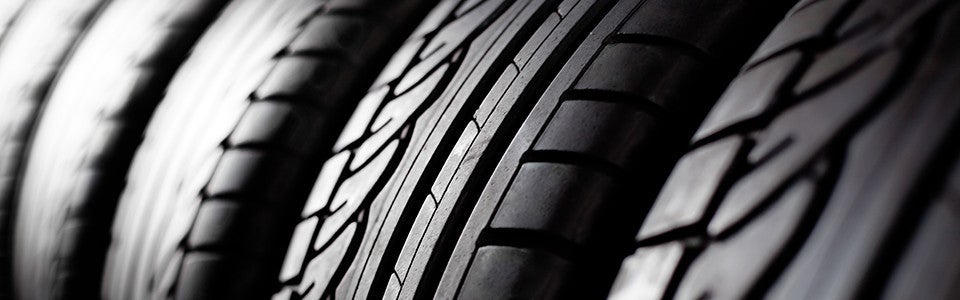
Tire selection in Bishop, CA

Preparing for Bishop's Seasons: How to Choose the Right Tires for Your Honda

There are a lot of tires out there to select for your Honda and sometimes it's hard to know where to start. When it comes to choosing tires for your vehicle, it's important to consider the seasons in Bishop, CA and the surrounding mountains. From icy roads to blistering heat, learn more about how you can pick the most suitable tires for your Honda vehicle. Consider Summer Tires for Hot Days Summer tires are designed to provide optimal performance during hot days, especially in desert-like environments. They are made of soft rubber that provides a better grip on the pavement, allowing for better handling and improved dry braking. These types of tires often feature larger tread blocks, which help to enhance braking performance and cornering, especially in wetter conditions. more Keep in mind that these tires are not as effective when it comes to icy or snowy conditions and may not be suitable for all-year use in Bishop. Summer tires tend to harden in colder conditions due to their softer rubber composition. That said, whether the weather is dry and hot or drizzling with light humid rain, summer tires are an excellent asset to ensure a sharper driving experience in your Honda during the hotter months. Be Prepared with Winter Tires Since summer tires aren't safe for icy winter roads, it makes sense to switch your summer wheels for winter ones. Winter tires are designed to provide maximum grip in snow and in slippery road conditions, with deeper tread patterns and cuts (known as sipes) across the tread. These help to flush out excess slush and build up traction on snowy surfaces, contributing to improved performance. If you regularly drive into the mountains and in icy conditions, then these are the tires you'll need on your vehicle. All-Season Tires for All Possibilities After reading about summer and winter tires, you might be wondering - why all-season tires? For a start, most new cars already come with all-season wheels. These types of tires give general capability year-round in warmer and cooler climates, and some can even perform well in icy conditions. Where To Get Advice on Choosing Tires in Bishop, CA The best place to get comprehensive advice on the best tires for your Honda is your local dealer. Trained Honda technicians can advise you on the best tires to get for driving in summer or winter. You can also get access to great deals on tires and find out about other great products and services available for your Honda. Remember, there are tires available to handle the heat, power through the ice, or get you from A to Z with ease. Ready to upgrade your drive? Contact us at Perry Honda to get your new tires today.

Honda Maintenance in Bishop, CA

Keep Your Honda Running: Essential Car Maintenance Services

When you purchase a Honda, you anticipate nothing less than top-notch Honda service and superior quality. Certified Honda technicians deliver precisely that. They provide outstanding car maintenance services that you can count on to ensure that your Honda runs as smoothly as it did when you first bought it. Oil Changes If you want to keep your engine in excellent condition, get your oil changed regularly. New oil helps to lubricate the engine parts, prevent damage, improve fuel efficiency, and extend the life of your engine. If you drive a newer model, the Maintenance Minder calculates your car's maintenance needs and provides recommendations when a service is required. more Honda typically advises a basic service for older vehicles, which involves changing the oil, examining, and replenishing fluids, inspecting brakes, checking tires, monitoring tire pressure, and rotating the tires at least once a year or at 7,500-mile intervals. To guarantee that your Honda remains dependable, adhere to your vehicle's service schedule, and follow the maintenance intervals recommended by the factory in your owner's manual. Brake Inspections and Brake Pad Replacements When you bring your Honda to us for service, our Honda technicians will conduct a comprehensive brake inspection. The inspection involves checking the brake pads for any signs of wear and measuring their thickness. If your brake pads are worn down to a thickness of 3.2 millimeters or less, the technician will perform a replacement using genuine Honda brake pads. Honda produces genuine brake pads tailored to meet the highest standards and are extensively tested for their safety and reliability. Genuine Honda brake pads also help limit vibrations, prevent premature disc wear, and ensure outstanding performance for an extended period. Battery Inspections and Tests As you drive your car, the battery starts to deteriorate and may gradually lose its ability to provide enough power to run the electronics and start the engine. Our Honda-certified technicians conduct regular battery inspections to prevent potential battery issues. Additionally, we suggest getting a battery test done if your battery is over three years old to check whether it requires replacement or still holds a proper charge. Tire Inspections and Rotations When you bring your vehicle to us for service, our Honda technicians go the extra mile to ensure your safety on the road. Along with the regular maintenance, the technician will also inspect your Honda's tires thoroughly. The technician will carefully examine each tire's tread depth and check the sidewalls for damage, such as cracks, cuts, and bubbles. They will also inflate the tires to the recommended pressure levels and perform a tire rotation. Regular tire rotations will ensure your tires wear evenly and last longer. Ensuring your Honda's reliability, fuel efficiency, longevity, and safety behind the wheel is a breeze with Honda's outstanding maintenance services. Contact Perry Honda today to schedule a maintenance appointment to ensure that your Honda always gets you safely to your destination.

Changing a tire on your Honda near Bishop, CA

Got a Flat? How to Change a Tire on Your Honda

A flat tire can happen at any time due to tire wear or damage from a sharp object on the surface. If you get a flat, you don't have to wait for a mechanic or a town truck, you can change the tire yourself. As your Honda dealer, we want to tell you how to change a tire quickly and easily. Find Somewhere Safe Changing a tire isn't complex, but it does require your attention. A flat is more likely to happen when you're driving, which means you will need to find a safe location to stop. Switch on your warning lights and gradually slow down as you look for a place to pull over. The best location is as far from other moving vehicles as possible, as this significantly reduces the chance of being hit by another vehicle while you're focused on changing the tire. more Find the Spare Your Honda will have a spare tire and, depending on your model, it may be a regular-sized tire or a donut. A donut is a smaller tire that's intended to get you mobile so you can reach a dealership and get a regular-sized replacement. When you get the spare, also grab the jack and the lug wrench. These two items will usually be stored near the spare. Remove the Lug Nuts Lug nuts connect the tire to the wheel hub. They're tightly secured, and you'll likely need significant force to open them. One of the easiest ways to do this is to connect the lug wrench to a lug nut and then stand on the wrench to exert extra pressure to loosen it. Loosen each nut in turn, but don't remove them. Jack Your Car Positioning the jack correctly is vital, as you don't want to damage your Honda. Your car manual will show you the location of the jacking points. These are reinforced metal plates located near each of your wheels, and they've been engineered to support the weight of your car. Once you've found the jacking point closest to the flat, use it to lift your car off the ground until the bottom of the flat barely touches the ground. Replace the Tire Unscrew all the lug nuts, then lift the tire off the wheel hub. Fit the spare in its place and tighten all the lug nuts by hand. Once all the nuts are in place, lower your Honda to the ground and remove the jack. Finish Up Use the lug wrench to tightly the lug nuts as securely as possible, then pack the jack, flat, and lug wrench in the trunk. You're now ready to drive away. Now you know the simple steps to change a tire. Visit us at Perry Honda in Bishop, CA, for a new tire.

Contact Us

Fill out this form below and we'll contact you shortly
*Required Fields